
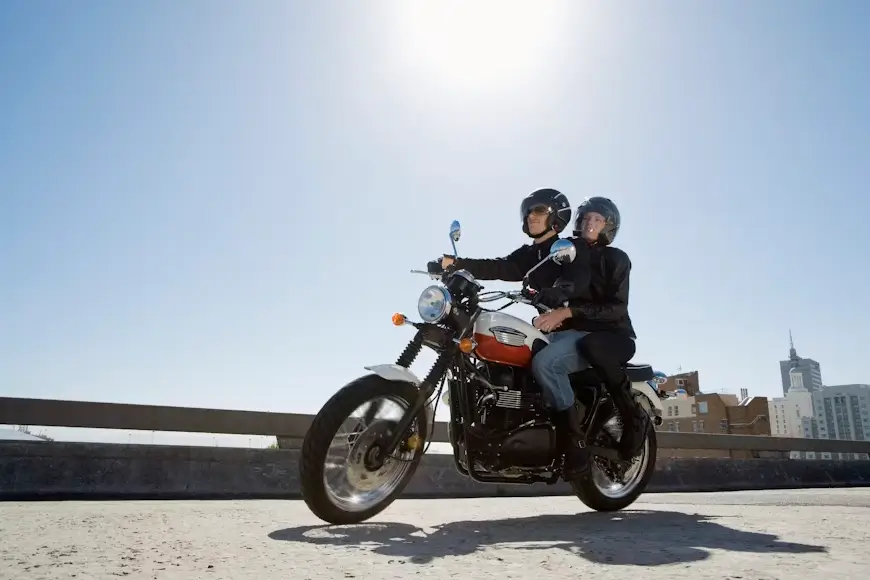
So you’ve found “the one.” Maybe it’s a nimble 250cc starter bike, a commuter-friendly standard, or a retro cruiser that makes your heart skip. Love at first throttle is real but so are monthly payments, insurance, and surprise fees. Here’s a crisp, human-first guide to financing your first motorcycle with zero buyer’s remorse.
Start With a Realistic Total-Ownership Budget (Not Just the Bike Price)
The sticker price is only the beginning. Before you ever apply for a loan, map the true cost of ownership:
- Bike price + taxes/registration: Expect 6–12% over MSRP depending on your location.
- Dealer fees: Documentation, destination, setup—these can add a few hundred to over a thousand.
- Insurance: Varies wildly by age, location, engine size, and coverage limits. Get quotes for at least two coverage levels (basic liability vs. full coverage with comprehensive/collision).
- Safety gear: Helmet, jacket, gloves, boots, pants budget realistically. Quality gear can be $400–$1,000+ but it’s non-negotiable.
- Maintenance/tires: Oil, chain, brake pads, and tires wear faster on spirited rides. Set aside a monthly envelope (even $25–$50 helps).
- Storage/security: Cover, locks, disc alarm, or a garage spot.
Rule of thumb: Keep your total motorcycle spend (payment + insurance + fuel + maintenance) under 10–15% of your net monthly income. If that number feels tight, scale down the bike or increase your down payment.
Know Your Credit (And How Lenders See You)
Lenders price risk. Your credit score and credit history directly influence:
- Approval odds
- Interest rate (APR)
- Required down payment
- Loan term length
If your credit is thin or bruised, shore it up first:
- Pay down revolving balances below 30% utilization.
- Dispute errors on your report.
- Make on-time payments for three straight months (auto-pay helps).
- Consider a co-signer only if you both fully understand the shared liability.
Don’t guess. Pull your credit and know your range before you shop.
Compare Your Financing Paths (Dealer vs. Bank/CU vs. Online)
You’ve got options and they are not equal:
- Dealer/Manufacturer Financing
- Pros: Convenient, sometimes promotional APRs on new models, quick approvals.
- Cons: APR can climb fast on non-promo models; add-ons may be pushed at signing.
- Bank/Online Lenders
- Pros: Simple applications, clear terms, fast decisions.
- Cons: Rates vary; “soft approvals” aren’t always final. Read the fine print.
- Credit Unions (CU)
- Pros: Often the best APR for first-time buyers, member-friendly underwriting.
- Cons: Requires membership; slightly slower process.
Pro move: Secure a pre-approval from a credit union or bank before you visit the dealership. It gives you a hard ceiling, improves negotiating power, and keeps you from being upsold into a payment you can’t comfortably afford.
Down Payment, APR, and Term: Find Your Sweet Spot
These three levers control your monthly payment and long-term cost:
- Down Payment: Aim for 10–20%. More down dramatically lowers interest paid over the loan’s life and helps if your credit is new.
- APR (Interest Rate): Lower is always better—but don’t trade a tiny APR cut for a much longer term that makes you pay more interest overall.
- Term Length: 24–48 months is a healthy range for first bikes. A 60–72-month term can “fit the payment,” but you’ll likely pay more interest and risk going upside-down (owing more than the bike is worth).
Avoid negative equity: The moment you sign, your bike depreciates. A solid down payment plus a reasonable term guards you from being stuck if you need to sell or trade.
Insurance: Quote It Before You Commit
Two realities for first-time riders:
- Insurance for new riders can be surprisingly high.
- Engine size and model matter. A 300–400cc standard is often cheaper to insure than a 600cc supersport.
Get at least three quotes (direct insurers + a broker). Compare:
- Liability limits, medical payments, uninsured/underinsured motorist
- Comprehensive/collision deductibles
- Accessory coverage for aftermarket parts
- Roadside assistance and gap coverage (more on gap below)
If the insurance number shocks you, choose a different bike or raise deductibles after evaluating risk.
Must-Know Add-Ons: Gap, Extended Warranties, and Extras
- Gap Insurance: If the bike is totaled or stolen, gap covers the difference between what you owe and the bike’s actual cash value. It’s worth considering if you put very little down or picked a long term. Price it with your insurer and the lender/dealer pick the cheaper.
- Extended Warranty/Service Plans: Nice to have on complex, tech-heavy machines, but not mandatory. Don’t roll expensive add-ons into the loan unless you’ve compared the total cost of interest over time.
- Accessories/Gear Financing: Avoid rolling gear or accessories into the bike loan; you’ll be paying interest on gloves for years.
New vs. Used: Which Is Smarter for a First Bike?
- New: Warranty, promo APRs, clean history. Higher price and insurance.
- Used (2–5 years old): Lower purchase price, often lower insurance, slower depreciation. Requires a careful inspection and possibly a slightly higher APR.
If you go used, pay for a pre-purchase inspection, check service records, and verify the VIN isn’t flagged or salvaged. Private-party deals can save money; a credit union may still finance with fair terms.
The Test Ride for Your Wallet: Monthly Payment Stress-Test
Before signing, run this quick stress-test:
- Could you still comfortably pay if fuel spikes and you need a set of tires?
- Would an unexpected bill (phone, medical, family) blow up your budget?
- If your income dipped by 10%, would you still be fine?
If any answer is “not really,” trim the bike budget or increase the down payment. Your future self will thank you.
Smart Negotiation at the Dealership
- Separate the deals: Negotiate price first, then financing, then add-ons.
- Ask for the out-the-door (OTD) price in writing: bike + fees + taxes.
- Leverage pre-approval: “I already have X% for Y months—can you beat it?”
- Decline pressure add-ons: Take your time. Nothing “expires” in 30 minutes.
Bring your driver’s license with motorcycle endorsement (or permit, depending on local rules), proof of insurance (or a binder), proof of income if required, and your down payment funds ready (debit/cashier’s check).
Common First-Timer Mistakes (and How to Dodge Them)
- Buying too much bike (too powerful, too pricey, too hard to insure). Start with what you can ride confidently and afford easily.
- Ignoring gear costs. Budget the essentials up front.
- Chasing the lowest monthly payment by extending the term too far.
- Not reading the loan contract. Inspect the APR, term, prepayment penalties, and any add-ons line by line.
- Skipping a pre-approval. It’s your strongest bargaining chip.
A Simple, Practical Financing Game Plan
- Price your dream + two alternatives (one cheaper, one used).
- Get three insurance quotes—save the best one.
- Join a credit union and get pre-approved.
- Set a down payment target (10–20%).
- Test-fit the payment within 10–15% of your net income, including insurance.
- Shop OTD price from two dealers (or private sellers for used + CU financing).
- Pick the best total package, not just the flashiest bike.
- Ride home with money left for training and gear.
FAQ
Can I finance with no credit?
Yes, but expect higher APR and a larger down payment. A co-signer can help—but remember both parties are fully liable.
Is gap insurance necessary?
Not always. It’s most useful if your down payment is small or your term is long (higher risk of negative equity).
Should I pay it off early?
Usually yes—if your loan has no prepayment penalty. Even tossing $25–$50 extra toward principal each month can save solid interest.
New rider must-do?
Budget for a rider safety course. Many insurers discount your premium if you pass—and you become a safer, more confident rider on day one.
Related: Love That Lasts: Building a Truly Healthy Relationship
Conclusion
Financing your first motorcycle is about discipline, not deprivation. Know your real budget, compare financing sources, protect yourself with the right insurance and term, and resist pressure at the table. Do that—and your first bike won’t just feel great on the open road; it’ll look great on your balance sheet, too.