

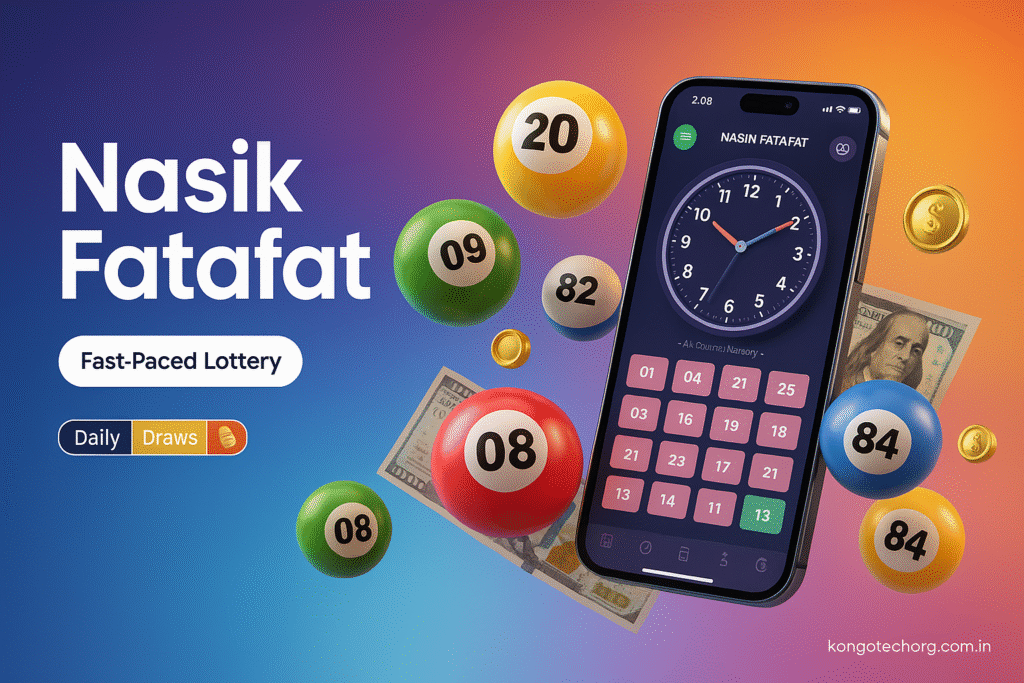
If there’s one phrase that has quietly woven itself into the everyday buzz of Nashik’s streets, tea stalls, and mobile chats, it’s nasik fatafat—a fast-moving number-based prediction game that blends curiosity, thrill, and the unmistakable influence of local culture. Although informal in nature and often passed through word of mouth, it has gained extraordinary traction as people look for quick entertainment, mental stimulation, and the communal fun that typically surrounds these games.
At its core, the concept revolves around rapid number draws, frequent result updates, and a sense of communal guessing where participants try to anticipate the next outcome. It’s simple enough for beginners yet unpredictable enough to keep even seasoned players attentive. I still remember overhearing two shopkeepers debating their predictions one afternoon in Nashik, and their excitement felt almost infectious.
Why It Attracts So Much Attention
The charm doesn’t come from complexity; it comes from speed and anticipation. Most prediction formats require waiting—sometimes hours or even days—to see the outcome. But the fatafat rhythm in Nashik’s style offers quick rounds, enabling participants to check results frequently and refine their approach.
Beyond the simplicity, the popularity is also driven by:
- Local familiarity: It’s well-known across Nashik and surrounding areas.
- Ease of access: People can check updates from phones or local counters.
- Lighthearted competition: Friends and small groups often enjoy seeing who comes closest in their predictions.
- Fast feedback loops: Unlike slow-turn games, this one provides instant resolution.
Some residents treat it like a puzzle-solving exercise rather than a gamble—attempting to identify patterns, timing trends, or numerical sequences. Of course, these patterns aren’t guaranteed, but they add to the intellectual satisfaction many users seek.
What Makes It Different From Other Number Games
While nasik-style fatafat draws attention because of its fast intervals and localized approach, it’s often compared with other Indian prediction games. Yet several distinctions set it apart. The pacing, cultural familiarity, and unique style of results distribution create a different experience altogether.
Here is a simple comparison that clarifies how people perceive it versus two common alternatives:
| Feature / Experience | Nasik Fatafat (Local Style) | Regular Lottery Formats | Online Number Guessing Games |
|---|---|---|---|
| Speed of Rounds | Very fast, frequent updates | Slow, usually daily/weekly | Moderate to fast |
| Cultural Presence | Strong local identity | National/regional | Mostly digital communities |
| Learning Curve | Easy for beginners | Straightforward | Depends on platform |
| Engagement Style | Social, conversational | Individual ticket-based | Competitive or casual |
| Predictive Play | Often pattern-based attempts | Purely luck-driven | Mix of luck + skill (varies) |
The biggest difference is the intensity of local engagement—Nashik residents see it as more than just a prediction activity; it’s part of local chatter and a shared experience.
How People Usually Interact With It
The engagement often starts casually. A person hears a friend announce a number they believe might appear next. Another checks earlier results on their mobile and cross-references patterns. Soon, speculation turns into a mini-strategy session, and everyone waits a few minutes for the next update.
There’s a psychological element as well: the faster the rhythm, the more immediate the excitement. The human brain naturally responds faster to short anticipation cycles, creating a loop of curiosity that many find entertaining.
However, it’s also important to approach it mindfully. Since it’s a number-prediction activity, participants should be cautious, responsible, and avoid viewing it as a money-making method. Think of it more like solving a puzzle or playing a logical guessing game rather than an income avenue.
A Glimpse Into a Real-World Situation
Imagine a typical late afternoon in Nashik. The sun is dipping behind the hills, a street vendor is serving steaming vada pav, and a small group of coworkers are taking a break. One of them pulls out a phone to check the latest fatafat update. Another jokes about how their “logic” failed in the previous round. Someone adds their prediction for the upcoming result, half-serious, half-hoping for a lucky break.
The laughter, teasing, and shared curiosity make it less about the outcome and more about the experience—the bonding and the cultural flavor.
I once witnessed a similar moment while waiting for my bus near Dwarka Circle. The energy and light-hearted fun made me realize why the game has become such a familiar part of local life.
What Value Does It Offer to People?
While the game itself is simple, the value it offers lies in three things:
- Entertainment: Quick entertainment that fits into small pockets of free time.
- Community: The social aspect brings people together, bridging strangers and friends alike.
- Mental Stimulation: Some users enjoy observing sequences, perceiving patterns, and debating predictions.
The uniqueness also lies in its hyper-local identity. Unlike national games where everything feels standardized, this has the charm of belonging to a specific community. That sense of belonging often enhances engagement far more than the game mechanics alone.
Responsible Participation Matters
Because the pace is fast, it’s very easy for people to get carried away. This is why responsible engagement is essential:
- Treat it as entertainment, nothing more.
- Set clear personal limits.
- Avoid emotional decisions.
- Do not rely on predictions for financial outcomes.
A balanced approach ensures that participants enjoy the excitement without falling into harmful habits.
Read Also: Aaryaeditz org – The Emerging Creative Hub for Free Editing Resources, Tools & Digital Creativity
Conclusion
Nasik Fatafat has grown into a curious blend of local culture, quick entertainment, and number-based anticipation. Its popularity stems from its speed, accessibility, and the community atmosphere surrounding it. Although simple, it holds a distinct identity shaped by Nashik’s people and daily rhythms. When engaged responsibly, it can be a fun mental exercise and a socially interactive pastime.
Frequently Asked Questions
1. What exactly is Nasik Fatafat?
It’s a fast-paced number prediction activity popular in Nashik, known for quick rounds and frequent updates.
2. Is it legal?
Rules vary by region, and many formats operate informally. Users should always follow local regulations and participate responsibly.
3. How do people usually check results?
Most rely on online result updates, local counters, or community sources that share frequent number outcomes.
4. Is it based on skill or luck?
Mostly chance, though some participants enjoy trying to spot patterns for personal strategy.
5. Can beginners participate?
Yes, the concept is simple enough for newcomers, but they should approach it as entertainment rather than expectation.